

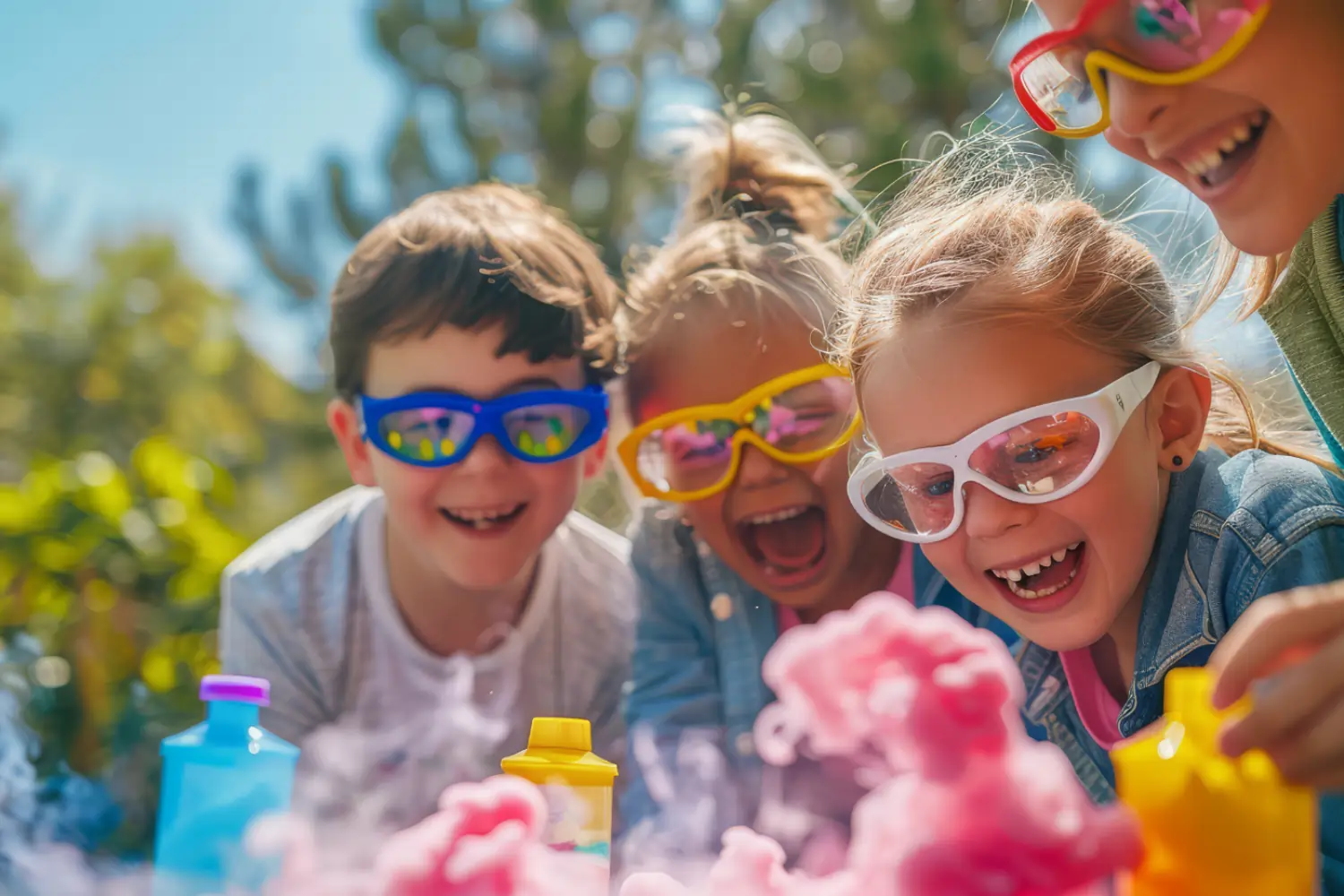
Moving to a new country can feel like stepping into an entirely different world, especially for children. New sounds, new routines, and a new language can make even the most adventurous child hesitate.
For many expat and globally mobile families arriving in Madrid, one question often sits quietly in the background:
How long will it take for my child to feel confident here?
While fluency in a new language takes time, confidence often starts with something much smaller, a short, supportive experience that helps children discover they belong.
This is where short-term camps can make a powerful difference.
A Gentle First Step into a New Environment
Traditional school environments can sometimes feel overwhelming for children who have just moved abroad. There are expectations, routines, and academic pressures layered on top of the challenge of adapting to a new culture.
Short-term camps create a different kind of space.
At LAE Kids, camp is designed to feel like an invitation rather than an obligation. Activities are playful, collaborative, and creative. Instead of worrying about getting things “right,” children are encouraged to explore, experiment, and interact naturally.
In this kind of setting, language becomes a tool for connection rather than a test to pass.
Confidence Begins with Small Wins
For children adjusting to life in a new country, confidence rarely arrives all at once. It grows through small, meaningful moments.
The first time they say “hola” to another child.
The first time they join a group game without hesitation.
The first time they understand a Spanish instruction without needing help.
These moments may seem small, but psychologically they are powerful. Research shows that celebrating these micro-milestones releases dopamine in the brain, reinforcing a child’s sense of capability and resilience.
Each small win becomes proof that they can navigate their new world.
Play Lowers the Pressure
One reason camps are so effective is that they lower what educators call the “affective filter”, the emotional barrier that can block language learning when children feel anxious or self-conscious.
When learning happens through play, creativity, and teamwork, children stop focusing on whether their Spanish is perfect. Instead, they focus on the activity itself.
They are painting, building, solving challenges, and laughing with new friends. Spanish becomes the natural bridge that allows those moments to happen.
And when language is tied to joy and connection, confidence grows quickly.
Shared Experiences Build Belonging
Another powerful aspect of short-term camps is the social environment.
Many children who join LAE Kids programs are navigating the same transition: arriving in a new city, hearing a new language, and learning new cultural rhythms.
In a camp setting, they quickly discover that they are not alone in that experience.
Instead of feeling like “the new kid,” they become part of a small community of explorers. Through shared activities, art projects, games, storytelling, and outdoor exploration—friendships form naturally.
And often, one of the most meaningful moments happens when a child casually mentions a new name at home.
“I played with Mateo today.”
That single sentence can signal a major step in their emotional adjustment.
The Confidence That Lasts Beyond Camp
Although camps may last only a week or two, the effects can last much longer.
Children leave with more than just new vocabulary. They leave with proof that they can communicate, participate, and build friendships in their new environment.
Parents often notice changes almost immediately:
- Mornings become lighter and less stressful.
- Spanish words begin appearing in everyday conversation.
- Children show more curiosity about their surroundings.
- They feel more comfortable participating in local activities.
In other words, they begin to move from simply adjusting to truly belonging.
A Bridge to Life in Madrid
For many families, short-term programs like Spring Camp serve as a bridge between arrival and full integration.
They give children a safe, supportive environment to practice language, meet peers, and gain confidence before stepping into longer-term academic or social settings.
And sometimes, all it takes is one week of positive experiences to change how a child sees their new home.
Small Camps, Big Impact
Confidence does not appear overnight, but it does grow through moments that show children they are capable, connected, and understood.
Short-term camps create those moments.
A shared laugh during a game.
A craft project completed together.
A new friend in Spanish.
Each one is a small step forward.
And together, they build the confidence children carry with them long after camp ends.
Give Your Child a Confident Start in Madrid
At LAE Kids Spring Camp, children ages 4–12 experience Spanish through play, creativity, and connection in small, supportive groups.
Because sometimes the shortest experiences create the strongest foundations.
Discover Spring Camp 2026 →